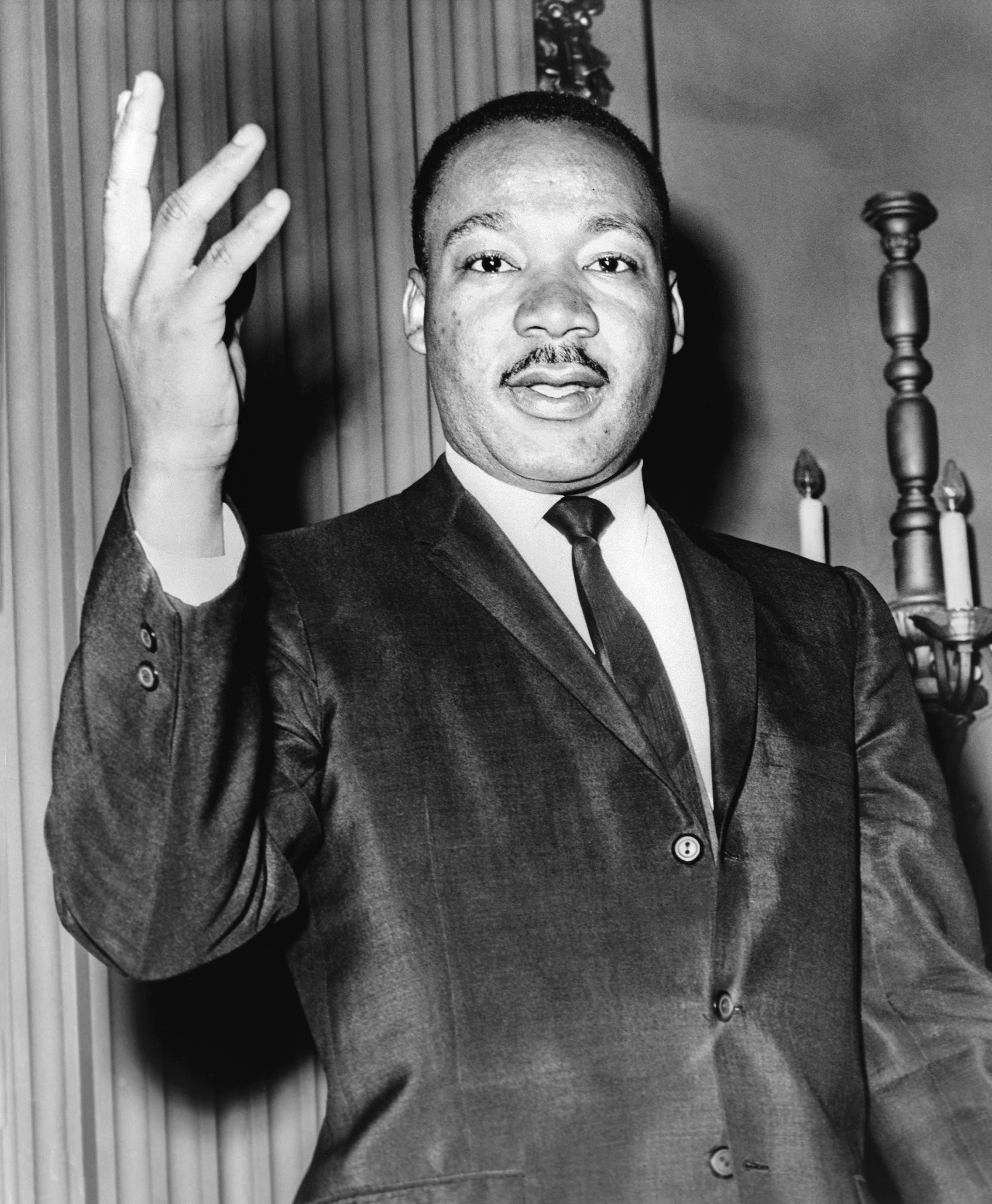
Martin Luther King Jr.
Methodology
King synthesizes Christian theology, Gandhian nonviolence, and American constitutional ideals into a methodology of redemptive suffering and moral suasion. He reasons from both transcendent moral law and pragmatic social analysis, arguing that unjust laws contradict natural law and divine justice, and that nonviolent direct action creates productive tension forcing communities to negotiate. His method interweaves biblical exegesis, appeals to American founding documents, and strategic calculation about how to dramatize injustice and convert adversaries rather than defeat them. He insists that means must be consistent with ends—that violence corrupts the cause—and that suffering accepted willingly has transformative power for both victim and oppressor.
Sample argument
We who engage in nonviolent direct action are not the creators of tension. We merely bring to the surface the hidden tension that is already alive. We bring it out in the open where it can be seen and dealt with. Like a boil that can never be cured so long as it is covered up but must be opened with all its ugliness to the natural medicines of air and light, injustice must likewise be exposed, with all the tension its exposure creates, to the light of human conscience and the air of national opinion before it can be cured. The question is not whether we will be extremists, but what kind of extremists we will be. Will we be extremists for hate or for love? Will we be extremists for the preservation of injustice or for the extension of justice?
Cognitive style
Themes
Traits
Topics
- Governance — Advocates for inclusive democracy that actualizes constitutional promises of equality. Critiques federal inaction and states' rights used to perpetuate injustice. Calls for legislation backed by enforcement to dismantle segregation and protect voting rights.
- Religion — Rooted in Black church tradition and Christian social gospel. Views ministry as inseparable from justice work. Critiques white moderate clergy for prioritizing order over justice. Emphasizes prophetic role of faith communities.
- War — Opposed Vietnam War as morally unjust and draining resources from domestic poverty programs. Extended nonviolence philosophy to international relations. Saw militarism as linked to racism and economic injustice.
- Ethics — Grounds all activism in transcendent moral law and the imperative to resist injustice. Distinguishes just from unjust laws based on whether they accord with natural law and uplift human personality. Centers love, redemptive suffering, and the dignity of all persons.
- Society — Envisions the beloved community where integration is authentic and justice is structural. Addresses not only legal segregation but economic inequality, urban poverty, and systemic oppression. Sees racism, militarism, and economic exploitation as interrelated.
Image: Dick DeMarsico (Public domain) · Source