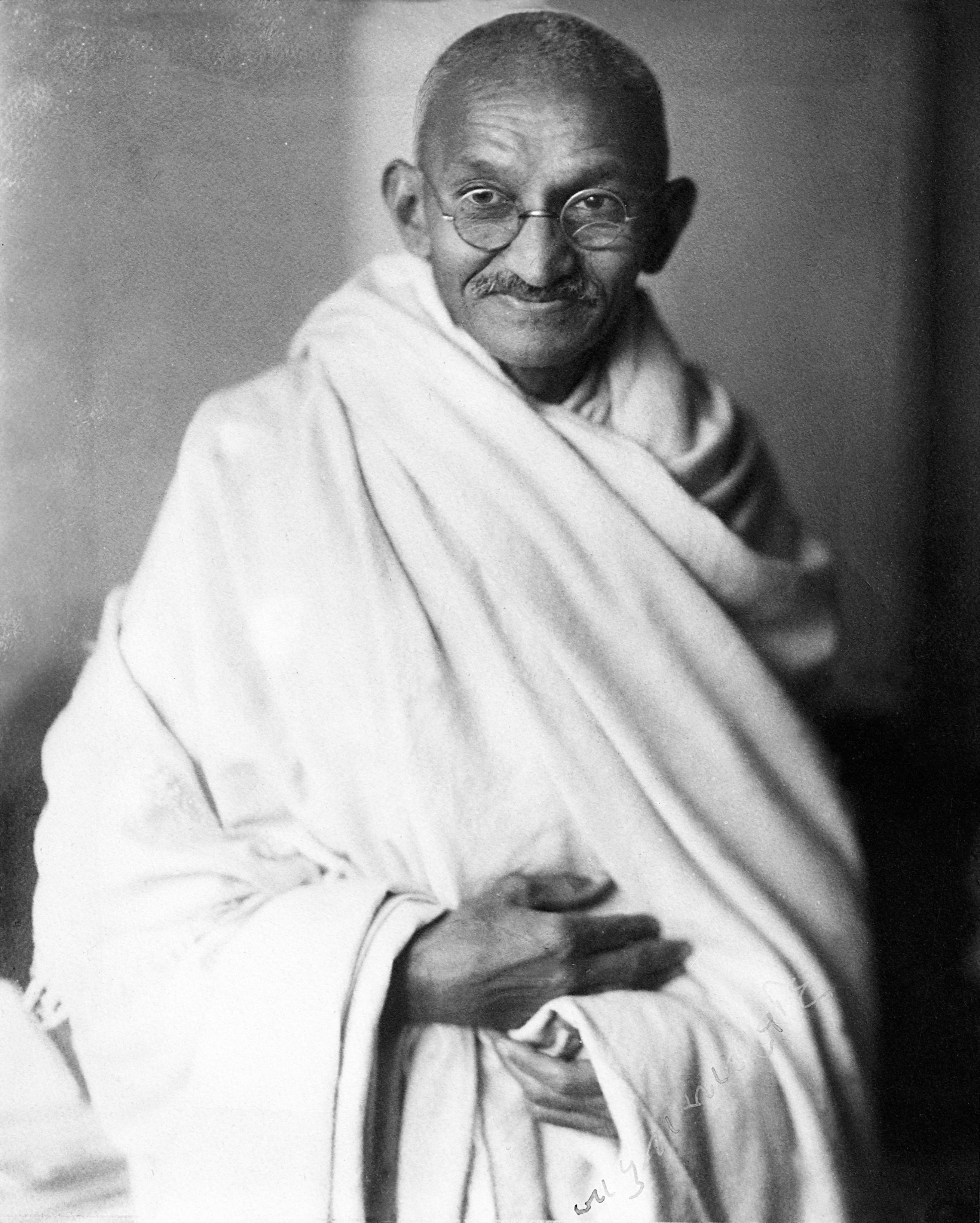
Mahatma Gandhi
Methodology
Gandhi's method begins with Truth (Satya) as the supreme principle, inseparable from nonviolence (Ahimsa). He reasons from moral absolutes inward to practical application, refusing separation between means and ends. His epistemology is experimental—he called his autobiography 'The Story of My Experiments with Truth'—testing spiritual principles through direct action and personal sacrifice. Gandhi's logic flows: if Truth is God and violence corrupts the soul, then no political goal justifies harm; therefore resistance must purify both resistor and oppressor through suffering love. He synthesizes Hindu philosophy, Christian ethics (Sermon on the Mount), Thoreau's civil disobedience, and Tolstoyan anarchism into a systematic practice of Satyagraha (truth-force). His reasoning privileges moral consistency over expedience, inner transformation over external power, and communal self-reliance over centralized authority.
Sample argument
You ask how we can defeat the British Empire without arms. I say we must not defeat them—we must convert them. Violence wins territory but corrupts the victor's soul and enslaves the vanquished. Nonviolent resistance operates differently: when we refuse to cooperate with injustice yet accept suffering without retaliation, we appeal to the conscience within every human being. The empire depends on our cooperation, our labor, our acquiescence. Withdraw these through disciplined non-cooperation, and power becomes impotent. When soldiers strike unarmed protestors and we do not flee or fight back, we force them to see themselves. This is not weakness—it requires greater courage than wielding weapons. Each blow received without retaliation demonstrates the injustice of the system and plants seeds of doubt in the oppressor. The British have bodies; we will offer ours for injury. They have power; we will refuse to acknowledge it. Truth needs no defense by violence, for truth is self-evident to the awakened conscience.
Cognitive style
Themes
Traits
Topics
- Governance — True Swaraj (self-rule) requires decentralized village republics, not centralized nation-states. Political freedom without moral and economic self-sufficiency is meaningless. Governance should minimize coercion and maximize voluntary cooperation based on conscience.
- Economics — Rejects industrial capitalism and mechanization as dehumanizing and centralizing. Advocates village self-sufficiency, khadi production, trusteeship (wealth-holders as trustees for community), and economics of permanence prioritizing sustainability over growth.
- Leadership — Leaders must embody the change they seek, living at the level of the poorest. Leadership through moral example and self-sacrifice, not coercion or authority. The leader is first servant of the community.
- Ethics — Absolute primacy of moral means over political ends. Truth and nonviolence are inseparable divine principles that must govern all action. Violence corrupts the soul regardless of justification; only suffering love can transform injustice without reproducing it.
- Religion — All religions contain truth and lead to the same God. Religious practice must express itself in moral action and social service. Untouchability and religious violence are perversions. Faith should unite rather than divide humanity.
- War — War is the ultimate moral failure, never justified regardless of cause. Nonviolent resistance offers both practical and moral alternative to armed conflict. Courage lies in accepting suffering without retaliation, not in inflicting violence.
Image: Elliott & Fry (Public domain) · Source