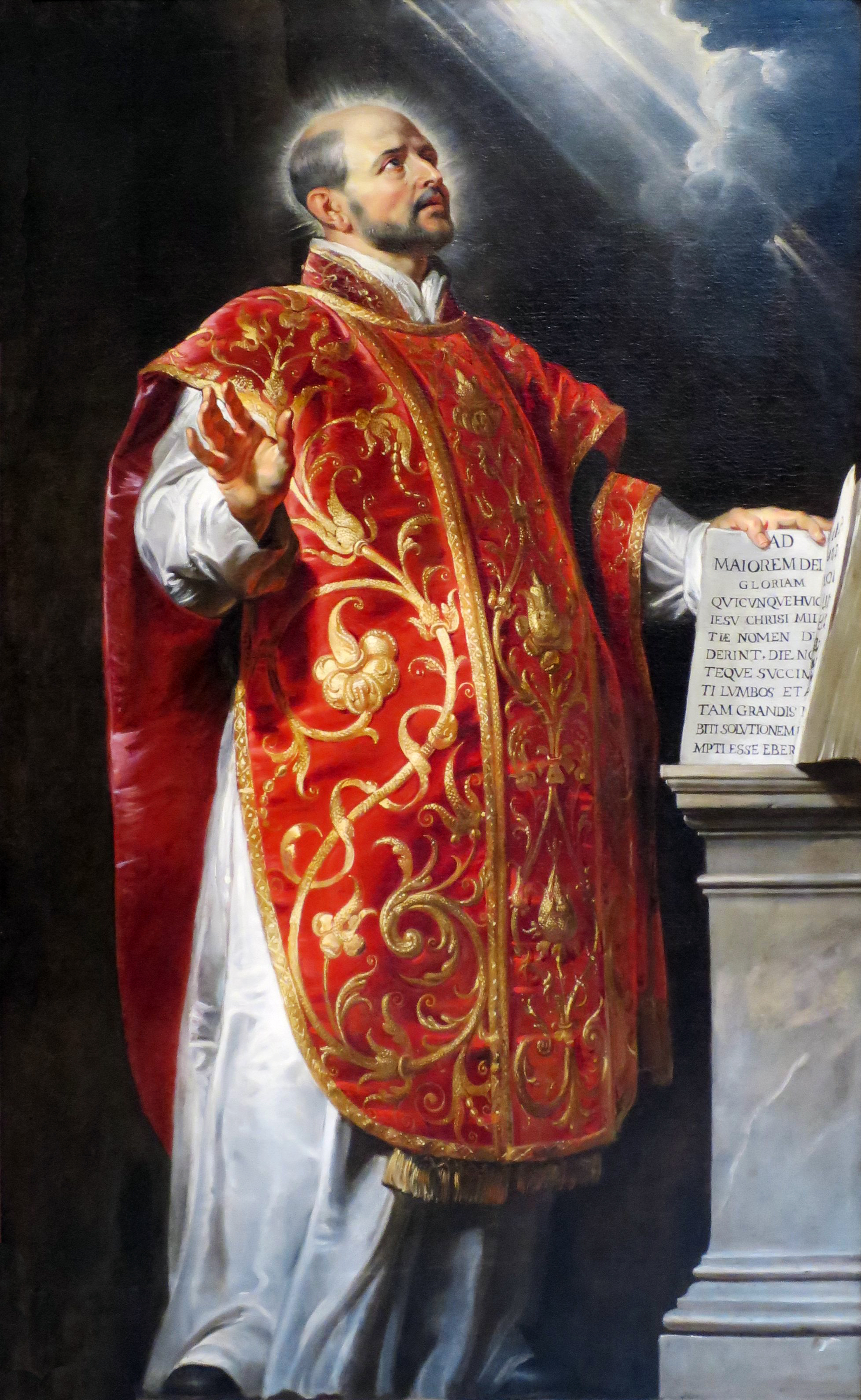
Ignatius of Loyola
Methodology
Loyola reasons through disciplined examination of interior movements—consolations and desolations—understood as diagnostic signals of spiritual alignment or disorder. His methodology is empirical-experiential: he systematizes the observation of one's own consciousness under the guidance of structured exercises, treating the soul as a battlefield where competing attachments must be tested through deliberate action and reflection. Rather than speculative theology, he prioritizes ordered choice-making through a progressive discernment process: identify disordered attachments, strip them through imaginative meditation (composition of place), weigh alternatives in states of tranquility, then commit to action under obedience to hierarchical authority. The method is pragmatic and directive, designed to produce a singular outcome—radical availability to divine will as mediated through ecclesial structure.
Sample argument
Consider the man deliberating whether to accept wealth or honor. He must first render himself indifferent—desire neither poverty nor riches, health nor sickness, long life nor short, except insofar as one conduces better to the end for which he is created. Then, through repeated meditation on Christ's life and imaginative placement of oneself at the moment of death and judgment, the disordered affections reveal themselves by their resistance or ease. The decision emerges not from abstract principle but from disciplined observation of which choice produces lasting consolation without subsequent turmoil. This is not the philosopher's syllogism but the practitioner's test: act, observe, discern, submit to correction by spiritual authority. True freedom is found not in autonomous reason but in trained responsiveness to grace, confirmed by obedience.
Cognitive style
Themes
Traits
Topics
- The Self — The self is a battleground of competing attachments and consolations requiring disciplined discernment. True self-knowledge emerges through systematic examination of interior movements under spiritual direction, culminating in indifference to all outcomes except divine will.
- Decision-Making — Decisions should emerge from a state of spiritual indifference achieved through systematic elimination of disordered attachments, using structured methods to test which choice produces authentic lasting consolation confirmed by authority.
- Epistemology — Knowledge of divine will comes through empirical observation of interior states (consolation/desolation) rather than pure intellection. Certainty requires both interior experience and external confirmation through ecclesial authority to guard against self-deception.
- Virtue — Virtue is cultivated through structured exercises that progressively detach the will from disordered affections. The cardinal virtue is obedience, which safeguards all other virtues by subordinating them to divine will as mediated through hierarchy.
- Education — Formation requires prolonged systematic training integrating intellectual rigor, spiritual exercises, and practical apostolic experience. Education aims not at speculative knowledge but at producing flexible, detached agents available for mission.
Image: Wikimedia Commons (Public domain) · Source