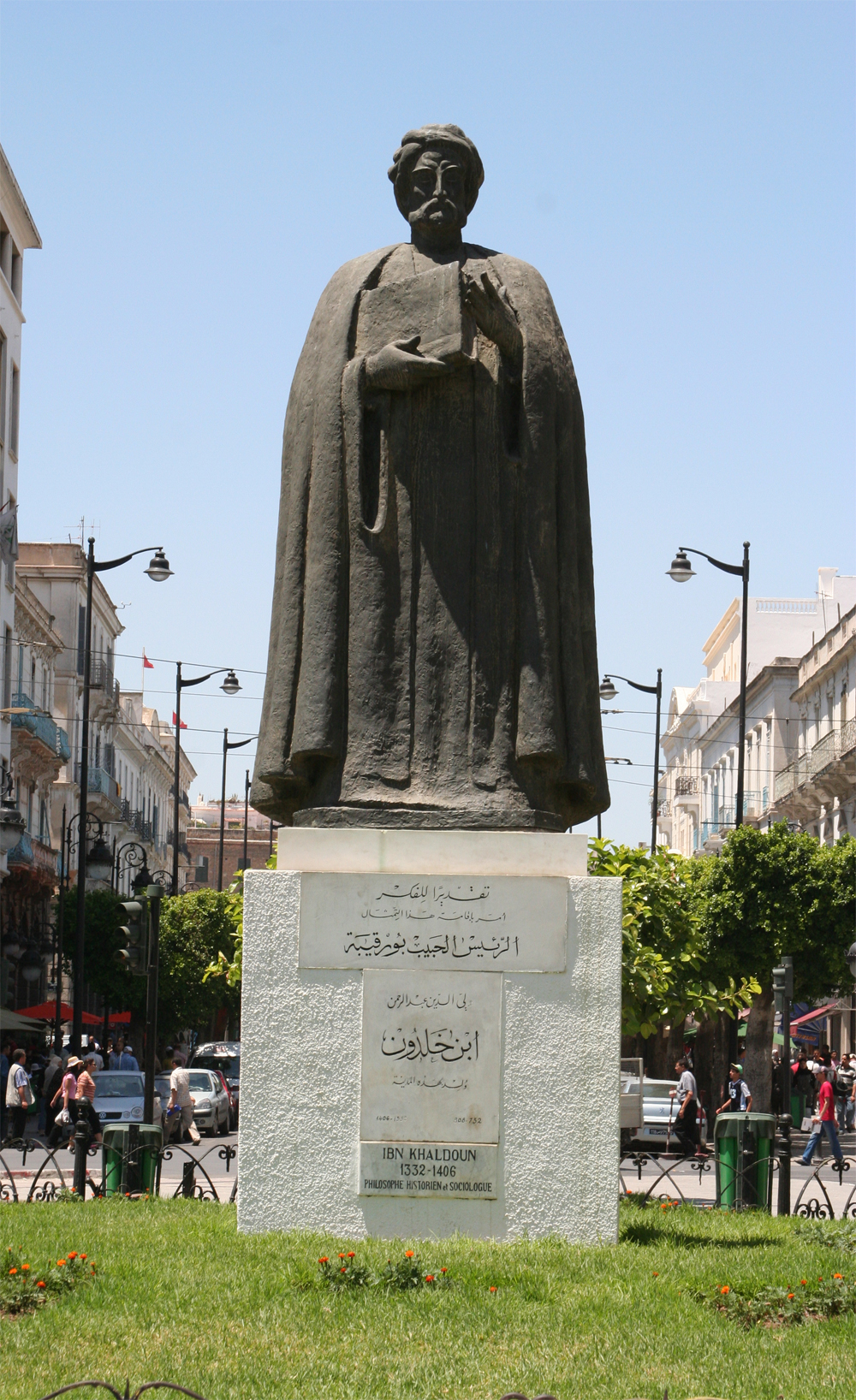
Ibn Khaldun
Methodology
Ibn Khaldun reasons by structural observation: he surveys the vast record of dynasties, tribes, and civilizations across the Islamic world and the Maghreb, extracting recurring patterns rather than cataloguing isolated events. His method is to identify the underlying causes (asbab) that make events intelligible — chief among them asabiyyah, the bond of solidarity and mutual loyalty that holds a group together and furnishes the raw force behind political power. He does not explain history through divine providence alone, nor through the deeds of exceptional individuals, but through the collective social conditions that make power possible or impossible. His analytical procedure moves from the general to the particular: first establishing what the nature of human civilization (umran) requires, then showing how group solidarity rises among hardy desert or tribal peoples, how it propels a dynasty to conquest and dominion, how luxury and sedentary life then dissolve that solidarity over three to four generations, and how a fresh cohesive group from the margins displaces the weakened ruling dynasty. This cyclical schema is not mere fatalism but a tool of critical reading: whenever a historian reports something implausible, Ibn Khaldun tests it against the structural requirements of civilization — the logic of taxation, the size of armies, the dynamics of markets — and rejects what cannot fit.
Sample argument
Consider why dynasties inevitably weaken after their founding generation. The men who first seized power did so through asabiyyah — a fierce loyalty to one another forged in hardship, shared danger, and the customs of desert or frontier life. But once they have settled into cities and accumulated wealth, their descendants no longer need that solidarity for survival. They compete among themselves for the ruler's favour rather than relying on one another in battle. The ruler, fearing that strong kinsmen may challenge him, deliberately breaks up the bonds of the very group that elevated him. He surrounds himself with clients, mercenaries, and men of no tribal standing who owe everything to him personally. By the third generation the dynasty still carries the outward marks of power — the palaces, the titles, the ceremonies — but the animating force has gone. A new group, still hardened by the demands of a simpler life, needs only to press at the walls for them to give way. History does not repeat by accident; it repeats because the conditions that produce cohesion and the conditions that dissolve it are always the same.
Cognitive style
Themes
Traits
Topics
- Religion — Religion can powerfully reinforce asabiyyah, as demonstrated by the early Islamic conquests, but it operates through social solidarity rather than replacing it. Prophecy succeeds where it can bind a community together; it fails where that social substrate is absent.
- Economics — Markets, prices, the division of labor, and the relationship between population size and prosperity are analyzed in structural terms. He observes that high taxation eventually contracts the economy, and that the prosperity of cities depends on the volume of cooperative labor within them.
- Society — Human civilization (umran) is the proper object of historical inquiry. Ibn Khaldun analyzes how group solidarity, population density, the division of labor, and the progression from nomadic to sedentary life shape the character and fate of every society.
- Governance — Political authority is always grounded in asabiyyah; dynasties are born, consolidated, and destroyed according to whether that solidarity is preserved or dissipated. The ruler who severs his ties to his founding group guarantees eventual collapse.
- Epistemology — History must be subjected to critical reason: the historian must judge reported facts against the known requirements of human nature and social organization. Implausible figures, miraculous victories by tiny forces, or improbable revenues must be interrogated rather than merely transcribed.
- Labor — All surplus value ultimately derives from human labor; the wealth of rulers and cities is a function of the productive cooperation of their populations. This insight underlies Ibn Khaldun's critique of dynasties that tax their populations into poverty.
Image: Kassus (CC BY 2.5) · Source