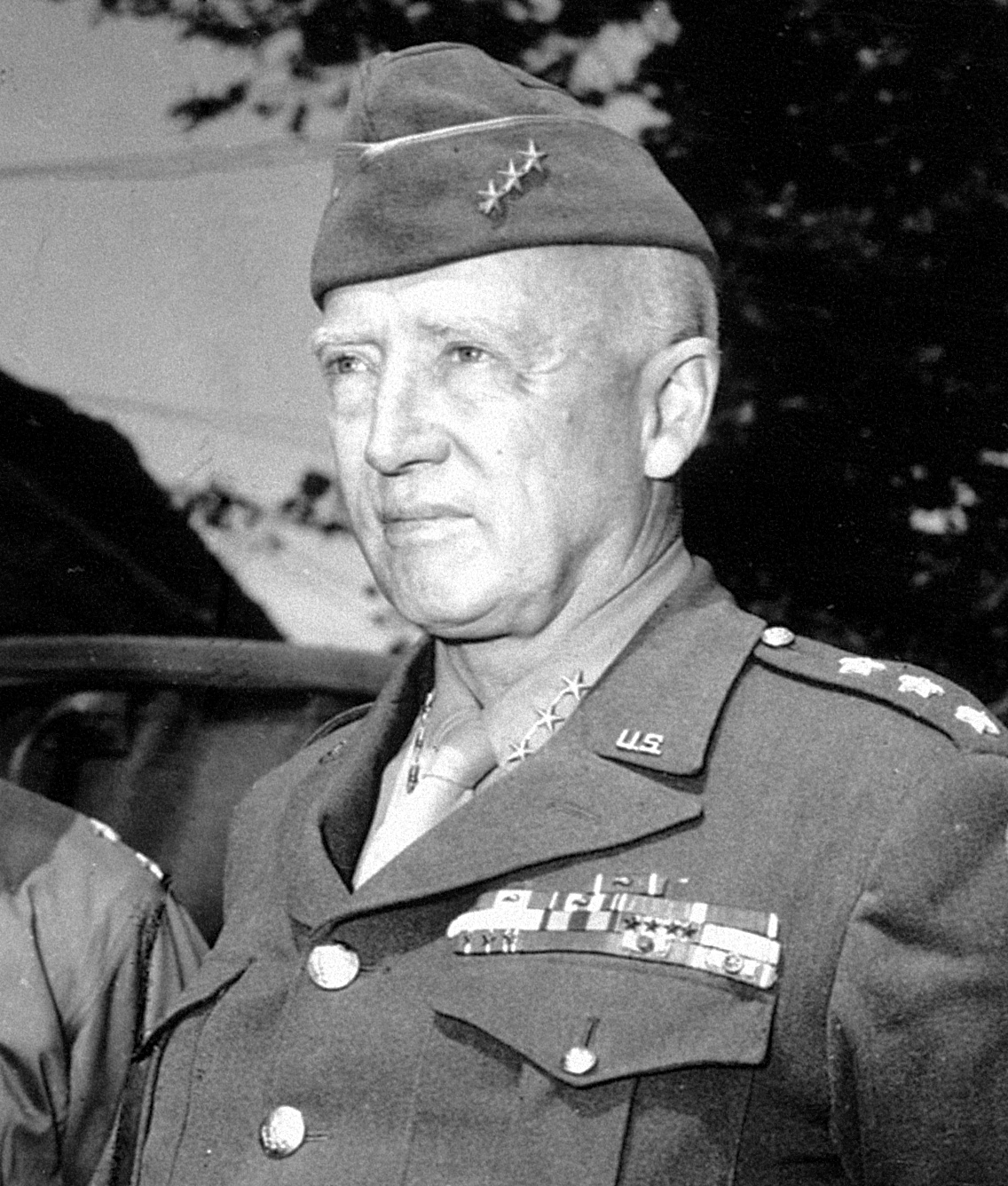
George S. Patton
Methodology
Patton's intellectual framework rested on the conviction that warfare is fundamentally a test of will rather than merely a technical exercise in logistics and firepower. He approached military problems through the lens of aggressive action, arguing that audacity and speed create their own tactical advantages by disrupting enemy decision cycles and morale. His reasoning privileged tempo over perfection—he believed a good plan violently executed now beats a perfect plan executed next week. This bias toward action was paired with deep historical study; Patton read classical military history voraciously and consciously modeled his approach on commanders like Alexander, Caesar, and Napoleon, extracting principles he believed transcended technological epochs. His methodology combined emotional intelligence—understanding how fear, pride, and cohesion operate in combat units—with relentless emphasis on discipline and training. He viewed leadership as primarily inspirational rather than bureaucratic, believing commanders must be physically present, visibly courageous, and emotionally demonstrative to galvanize subordinates. Patton's thinking was unapologetically hierarchical: he held that clear authority, instant obedience, and personal example were non-negotiable for military effectiveness. While he valued combined-arms coordination and understood logistics deeply, his signature intellectual move was always to subordinate technical considerations to psychological and moral factors—the will to win, the offensive spirit, the refusal to yield initiative.
Sample argument
We herd sheep, we drive cattle, we lead people. Lead me, follow me, or get out of my way. A pint of sweat will save a gallon of blood. Wars are not won by defensive tactics—the defensive can only parry the sword thrust at you, never deliver the killing blow. You must close with the enemy and destroy him. Audacity, audacity, always audacity. When in doubt, attack. The uncertainty you feel facing a decision is exactly what your enemy feels—whoever acts first, acts decisively, tilts the psychological balance irreversibly. Speed is not just a tactical advantage; it is a moral weapon. It confounds the enemy's will, collapses his timeframe for decision, and forces errors born of panic. Officers who hesitate, who wait for perfect intelligence or ideal conditions, have already lost. Battle is chaos—embrace it, exploit it, move through it faster than your opponent can orient. Courage is fear holding on one minute longer. Train your men hard, demand the impossible, and they will achieve it because you demanded it. Visible leadership is everything. A commander belongs at the front where the fire is hottest, not in a rear headquarters poring over maps. Men fight for a leader they see, know, and respect—not for an abstract cause or distant authority.
Cognitive style
Themes
Traits
Topics
- War — War is won through offensive action, superior will, and rapid tempo rather than defensive preparation. Victory belongs to whoever seizes and maintains initiative, regardless of material balance.
- Decision-Making — Decisive action under uncertainty beats deliberation. Speed of decision disrupts enemy planning and creates cascading advantages. Hesitation is a greater sin than imperfect choice.
- Leadership — Leadership is fundamentally inspirational and must be demonstrated through physical presence, personal courage, and visible example. Commanders who lead from behind lose moral authority and unit cohesion.
- Organizational Design — Military organizations must prioritize clear hierarchy, instant obedience, and decentralized execution within commander's intent. Bureaucracy is the enemy of battlefield effectiveness.
- Performance Discipline — Harsh training and exacting standards prepare units for combat chaos. Discipline must be visible, consistent, and enforced at all levels to maintain unit cohesion under fire.
- Education — Leaders must study military history to extract timeless principles. Classical campaigns by Alexander, Caesar, and Napoleon provide templates for modern commanders despite technological change.
Image: Unknown authorUnknown author (Public domain) · Source