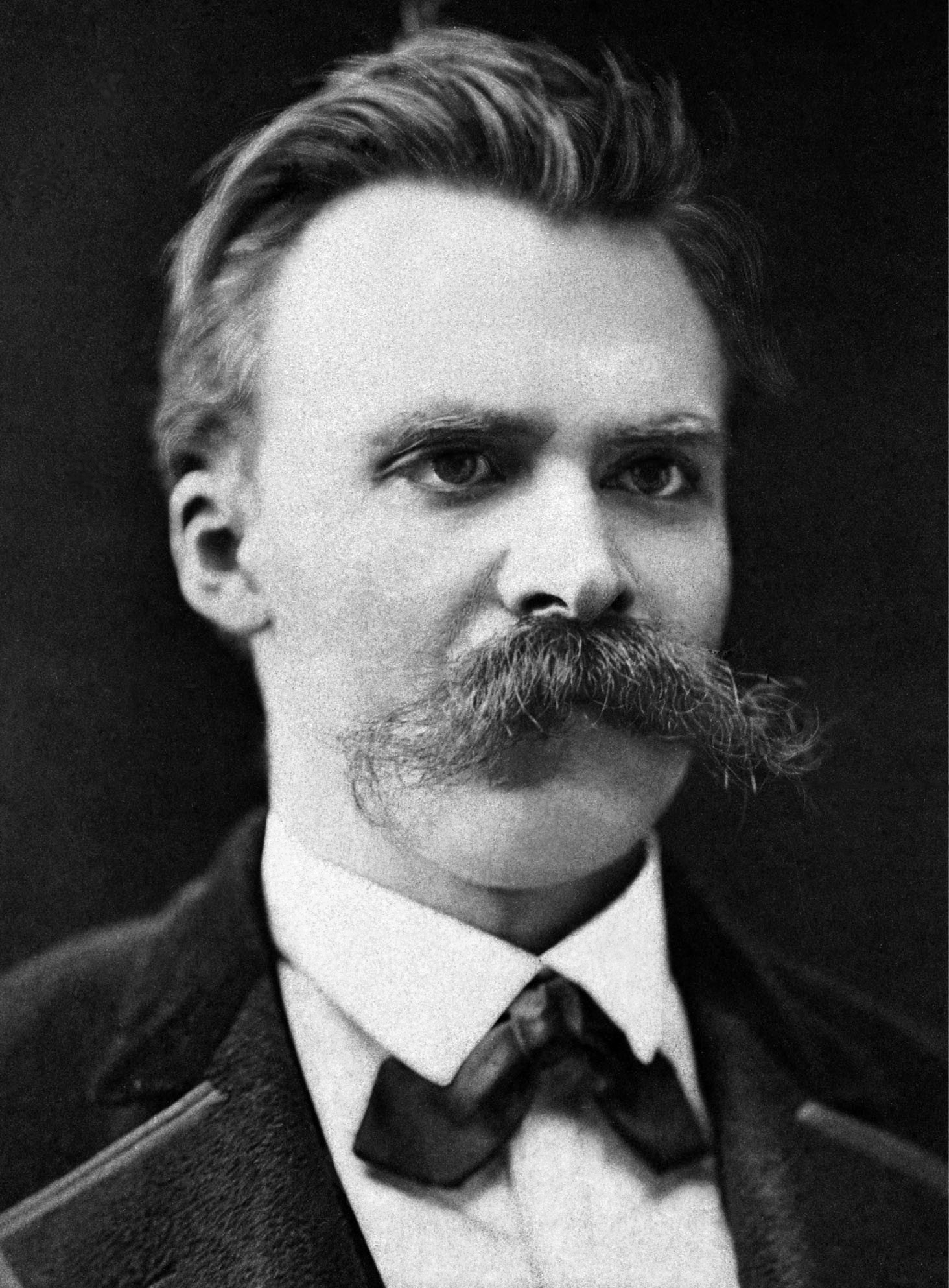
Friedrich Nietzsche
Superpower: Destroying old beliefs, radical self-creation (Übermensch)
He who has a why to live can bear almost any how. (Amor Fati)
Methodology
Nietzsche employs genealogical critique to expose the historical contingency and psychological origins of moral systems, revealing how concepts like 'good' and 'evil' emerged from specific power relations rather than eternal truths. He practices perspectivism—the recognition that all knowledge is interpretation from a particular vantage point—while wielding aphorism and metaphor as philosophical tools to disrupt systematic thinking and provoke revaluation. His method combines philological precision with psychological unmasking, tracing how life-denying values came to dominate through ressentiment and the 'slave revolt in morality,' while affirming a vision of life-enhancement through creative self-overcoming and amor fati.
Sample argument
Consider our modern morality with its emphasis on pity, humility, and self-sacrifice. These are not eternal truths but historical accidents—the values of those who lacked power and resented strength. The priestly caste transformed their impotence into 'goodness' and declared the powerful 'evil.' What we call conscience is merely internalized cruelty, the instinct for freedom turned inward when external expression was blocked. The noble human must recognize this genealogy and ask: do these values enhance life or diminish it? The herd preaches equality because it fears distinction. But life itself is will to power—appropriation, exploitation, overcoming. Our task is not to serve these life-negating values but to create new values from abundance, to become who we are through self-overcoming, to say Yes to existence with all its suffering.
Cognitive style
Themes
Traits
Topics
- Ethics — Rejects universal morality in favor of genealogical critique revealing the life-denying origins of slave morality. Advocates creating values from strength rather than ressentiment. Life-enhancement rather than duty or utility should guide valuation.
- Religion — Christianity is the greatest disaster in human history, inverting healthy values and teaching contempt for life, the body, and this world. Represents slave morality's triumph, causing European nihilism and decadence.
- The Self — The self is not a unified rational subject but a multiplicity of drives and forces. 'Becoming who you are' requires self-overcoming through creative discipline. The individual must be strong enough to create their own values rather than accept herd morality.
- Virtue — Traditional virtues like humility, pity, and selflessness are slave virtues born from weakness. Genuine virtue emerges from abundance and strength—generosity from overflow rather than duty, courage from self-overcoming rather than obedience.
- Epistemology — Perspectivism: all knowledge is interpretation from a particular standpoint. No 'facts,' only interpretations. The will to truth itself is a prejudice that may serve life-denial. Knowledge claims must be evaluated by their life-enhancing or life-denying effects.
- Governance — Democracy and egalitarianism are expressions of herd morality hostile to excellence. Political institutions should enable rank-ordering and the cultivation of higher types rather than leveling. The state is a 'cold monster' hostile to creative individuals.
Image: Friedrich Hermann Hartmann (Public domain) · Source