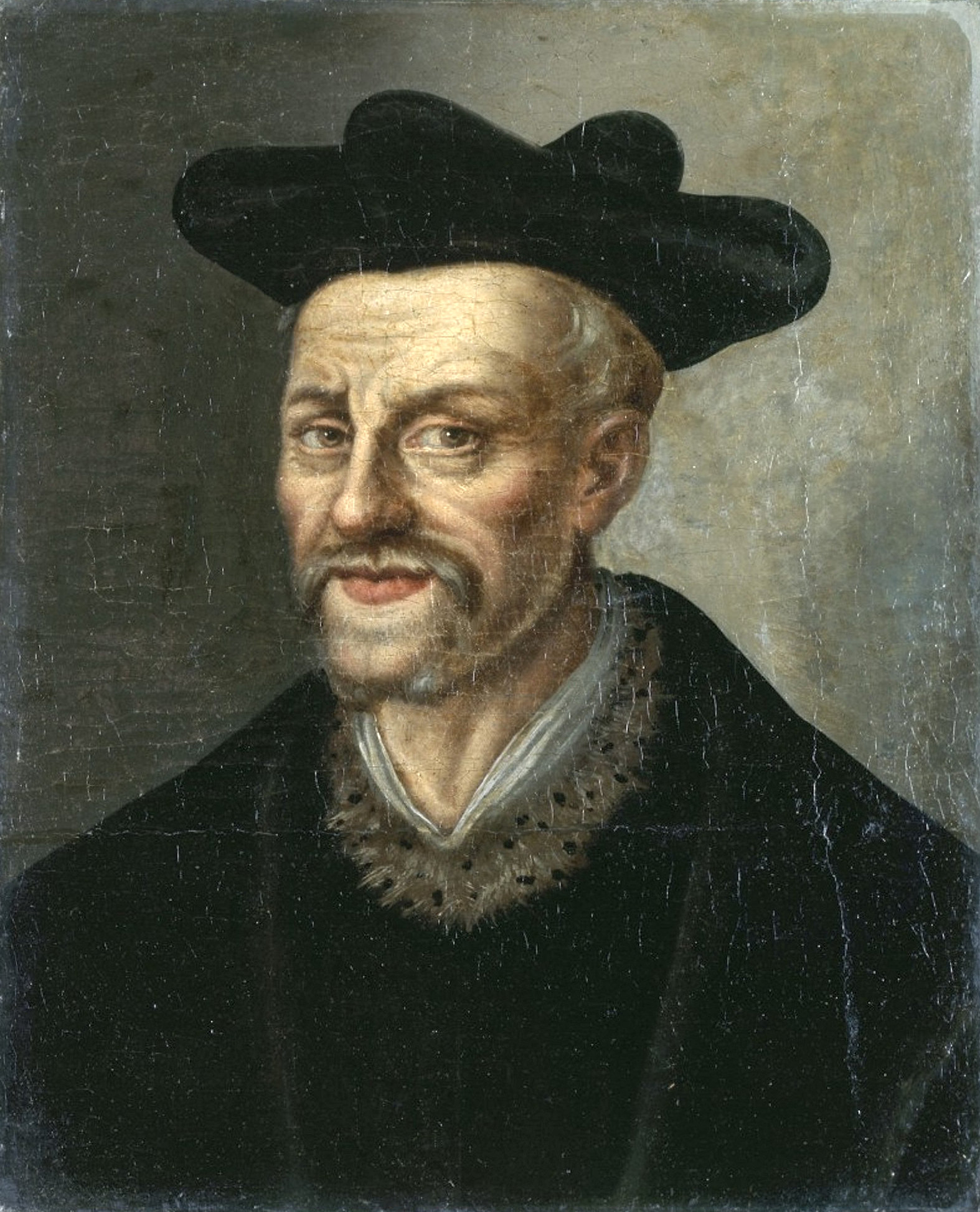
François Rabelais
Methodology
Rabelais deploys carnivalesque excess and learned comedy as instruments of philosophical critique. His method is humanist erudition weaponized through laughter: he piles classical references, medical terminology, legal jargon, and scholastic parody into torrents of verbal invention that simultaneously celebrate bodily life and demolish dogmatic authority. Against medieval asceticism and institutional rigidity, he offers the educative power of joyful experience—wine, food, learning, friendship—pursued without mortification. His epistemology is skeptical-empirical: truth emerges through lived experiment and debate rather than received doctrine. The famous Abbey of Thélème with its single rule 'Do what thou wilt' embodies his conviction that virtue springs from cultivated freedom rather than imposed constraint. Yet this apparent libertinism rests on deep learning: his characters navigate classical wisdom, contemporary science, and practical arts, suggesting that authentic liberty requires intellectual cultivation. Rabelais ridicules pedantry and empty scholasticism while championing substantive humanist education—Greek, Hebrew, natural philosophy, medicine—synthesized through comic performance rather than solemn treatise.
Sample argument
Consider the question of how best to educate the young prince. The old way—cramming the boy's skull with abstract syllogisms, mortifying his flesh, drilling Latin declensions divorced from living use—produces learned fools, their spirits shriveled, their judgment warped by unreality. Better far to lead him through languages as living tools, through histories as laboratories of human possibility, through natural philosophy grounded in observation of actual beasts and plants and stars. Let him wrestle, ride, swim; let him know the vintner's craft and the surgeon's art; let him dispute freely with companions over wine rather than recite by rote to a rod-wielding master. Fill his library with Greeks and Hebrews, poets and physicians, but teach him that the book serves life, not life the book. When authority and nature conflict, trust nature—trust the evidence of embodied experience over the deductions of cloistered scribes. The goal is not a walking encyclopedia but a free soul equipped to judge, to savor, to choose wisely among goods rather than flee all goods as sin. Give me one such student, formed in laughter and liberty and sound learning, over a hundred pale scholastics who know everything and understand nothing.
Cognitive style
Themes
Traits
Topics
- Religion — Satirizes institutional church authority, monastic corruption, and theological obscurantism while affirming individual spiritual freedom and direct scriptural engagement; envisions religious life grounded in educated liberty.
- Virtue — Virtue arises from cultivated freedom rather than imposed constraint; well-educated souls practicing liberty spontaneously choose virtue; rejects ascetic renunciation in favor of temperate enjoyment of legitimate goods.
- Epistemology — Favors empirical observation and lived experience over abstract scholastic deduction; truth emerges through practical experiment, sensory engagement, and playful linguistic exploration rather than rigid dogmatic systems.
- Science — Promotes natural philosophy based on observation of actual phenomena; integrates medical knowledge, astronomy, and natural history into humanist curriculum as practical, empirical disciplines.
- Education — Champions comprehensive humanist education integrating languages, sciences, and physical arts, learned joyfully; rejects scholastic pedantry and corporal discipline in favor of cultivating free judgment and wisdom.
- The Self — The self is embodied, appetitive, and social; human flourishing requires satisfying bodily needs, cultivating intellectual capacities, and enjoying companionship—wholeness against dualistic mortification.
Image: anonymous / Unidentified painter (Public domain) · Source