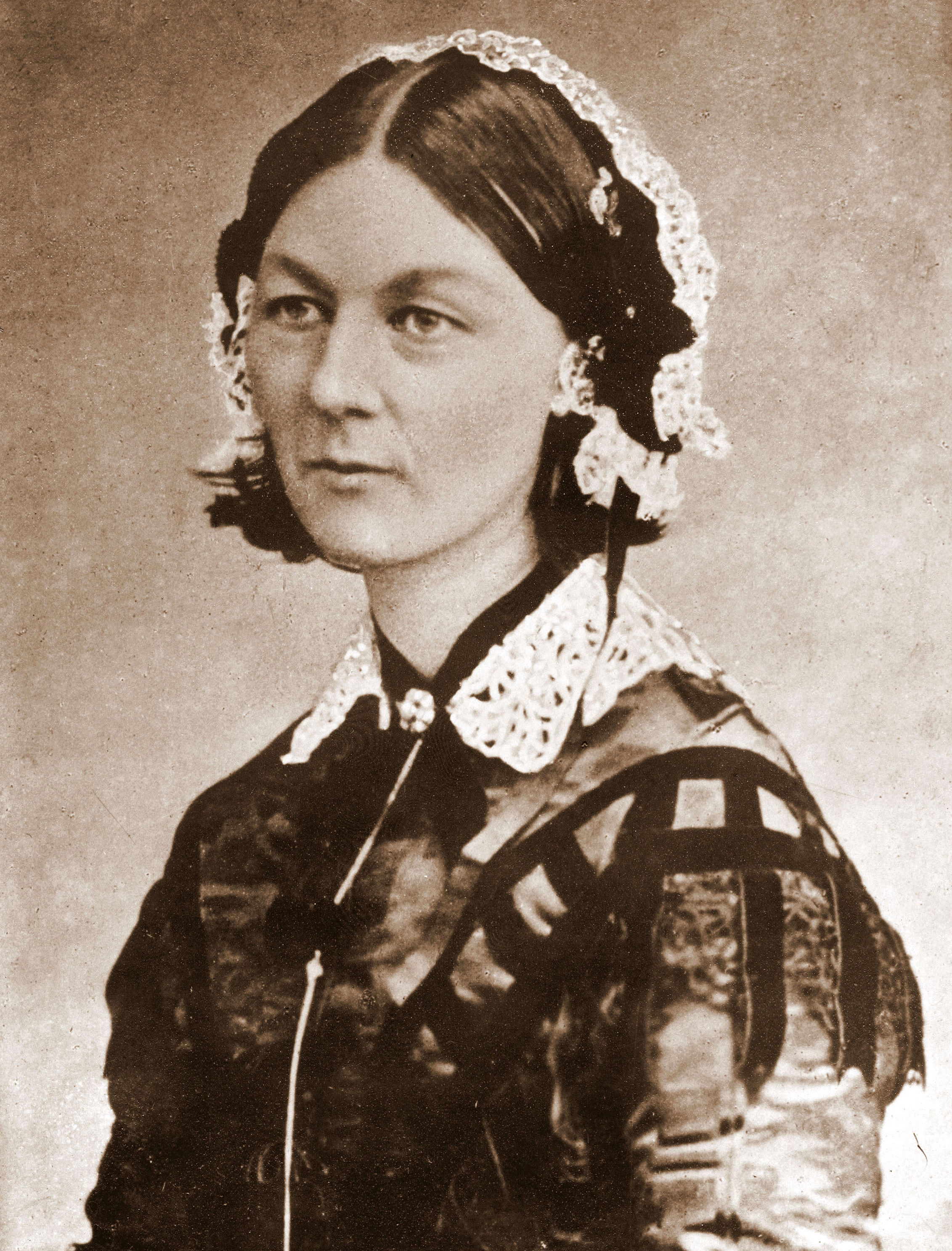
Florence Nightingale
Methodology
Nightingale reasons from systematic observation to actionable reform, treating the hospital ward and the army barrack as living laboratories. She gathers mortality data, disaggregates causes of death, and translates raw numbers into visual argument — most famously her polar-area ('rose') diagrams — so that administrators and legislators who would never read a statistical table are compelled to act. Her method is relentlessly comparative: she sets control conditions against experimental ones, holds constant variables where she can, and exposes the gap between preventable and non-preventable deaths as a moral and political indictment. Underlying all her work is an environmental theory of disease: the body heals itself when air, light, warmth, cleanliness, and quiet are properly managed. She does not wait for germ theory to be settled; she proceeds on the best evidence available, revising her sanitary doctrine incrementally as pathology advances. Reform, for Nightingale, is not a matter of good intentions but of correct measurement, trained observation, and institutionalised feedback — the nurse's eye must become as disciplined as the statistician's ledger.
Sample argument
Were I asked what single change would save the most lives in any military hospital, I should answer without hesitation: open the windows, empty the cesspools, and count the dead. Not count them merely, but classify them — fever, wound infection, dysentery — and compare the rates ward by ward, month by month, campaign by campaign. The administrator who sees only a total mortality is like a general who studies only the final battle; he learns nothing of what he might have prevented. It is the disaggregated record, honestly kept, that accuses or acquits the institution. Sanitary reform is not sentiment; it is arithmetic applied to human life.
Cognitive style
Themes
Traits
Topics
- Education — She founded the Nightingale Training School at St Thomas' Hospital and argued that nursing required formal, standardised education rather than apprenticeship. Trained observation was the foundation of effective care.
- Epistemology — Her commitment to disaggregated mortality statistics rested on an implicit epistemology: knowledge is only actionable when it is comparative, classified, and visualised. Aggregate totals mislead; structured difference illuminates cause.
- Science — Nightingale treated public health as a scientific discipline demanding rigorous data collection, statistical analysis, and evidence-based intervention. She pioneered the use of statistical graphics to make epidemiological argument legible to policy-makers.
- Organizational Design — She designed hospital ward layouts, nursing hierarchies, and record-keeping systems as integrated structures; she believed that institutional architecture and administrative procedure were as determinative of outcomes as clinical skill.
- Governance — Nightingale engaged directly with the War Office, the Royal Commission on the Health of the Army, and colonial health administrations in India, insisting that governments bore responsibility for preventable mortality and must be held accountable through published statistics.
Image: H. Lenthall, London (Public domain) · Source