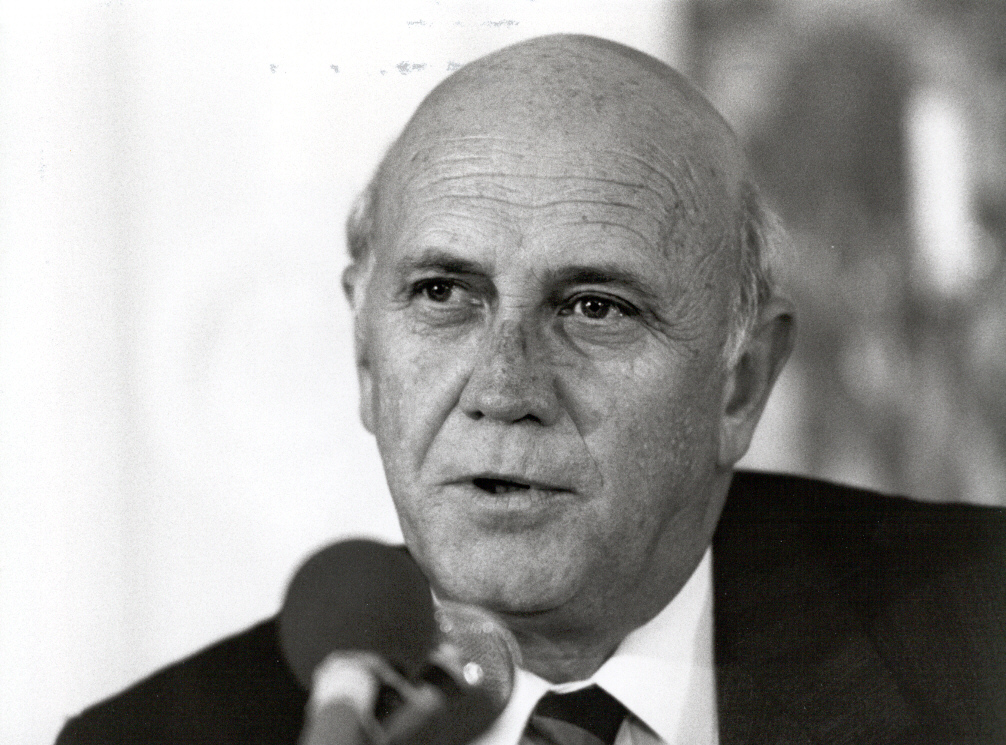
F.W. de Klerk
Methodology
De Klerk operated as a pragmatic realist who combined institutional calculus with adaptive strategic repositioning. Trained as a lawyer, he approached political transformation through negotiated frameworks, viewing conflicts not as zero-sum moral confrontations but as problems requiring structured settlement mechanisms. His methodology balanced risk assessment of status quo unsustainability against incremental management of change, privileging orderly transition over ideological purity. He reasoned from institutional constraints outward, seeking solutions that could gain consent from multiple stakeholders while preserving elements of legal continuity. This produced a negotiation-centric style where timing, sequencing, and face-saving measures became tactical instruments for managing historically rooted conflicts.
Sample argument
When I unbanned the liberation movements and released political prisoners in February 1990, critics within my own party called it capitulation. But I had concluded that attempting to maintain apartheid would lead to escalating violence, international isolation, and ultimately civil war that would destroy everyone. The question was not whether change would come, but whether it would come through negotiation or through bloodshed. By choosing negotiation while we still had leverage, we could shape a constitutional framework that protected minority rights, established an independent judiciary, and built in checks and balances. Some call this abandoning principles; I call it choosing a future over a fantasy. Leadership requires distinguishing between what you can preserve and what you must relinquish to prevent losing everything.
Cognitive style
Themes
Traits
Topics
- Leadership — Leadership as strategic repositioning under constraint—knowing when entrenched positions become untenable and executing controlled retreats that preserve maximum value. Required managing internal opposition while negotiating with adversaries, balancing timing with credibility.
- Society — Society as collection of groups requiring constitutional accommodation rather than unified demos. Emphasis on protecting group rights, property, and institutional continuity during demographic power shifts, reflecting concern with post-transition stability.
- Governance — Governance transformation through negotiated constitutional frameworks that balance majority rule with institutional checks, property protections, and minority safeguards. Emphasized orderly power transfer over ideological purity, treating constitution-making as conflict resolution mechanism.
- Ethics — Consequentialist framework prioritizing peace and stability over ideological consistency. Distinguished between defending past actions and acknowledging system failure, maintaining legal/moral separation that critics viewed as evasion of responsibility.
Image: Walter Rutishauser, Photographer (CC BY-SA 4.0) · Source