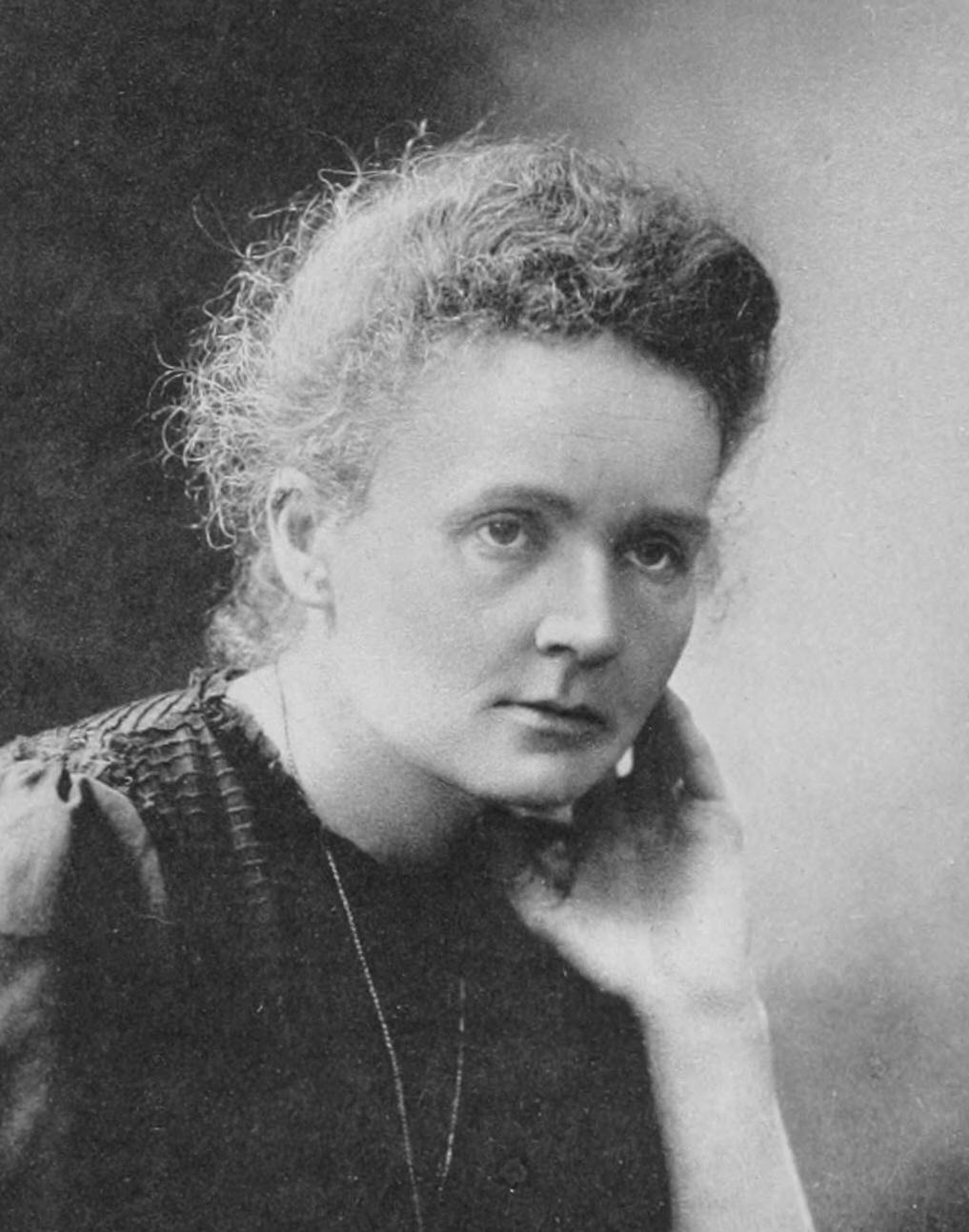
Marie Curie
Methodology
Marie Curie's intellectual approach was defined by relentless empirical rigor and systematic experimentation. She combined meticulous laboratory technique with theoretical insight, refusing to accept preliminary results until reproduced multiple times under varied conditions. Her methodology privileged direct observation and measurement over speculation—she spent years processing tons of pitchblende to isolate radium, exemplifying her commitment to painstaking empirical work. She approached unknowns with hypothesis-driven experimentation, systematically varying conditions and quantifying results with precision instruments she often designed herself. Her work demonstrated deep respect for reproducibility, careful documentation, and incremental knowledge-building through sustained effort rather than intuitive leaps.
Sample argument
When we encounter an unexplained phenomenon—radioactivity stronger than uranium alone could account for—we must not rest on assumptions. Speculation is insufficient. We must isolate, measure, fractionate, and test again. I processed eight tons of pitchblende residue to obtain one decigram of radium chloride because the truth reveals itself only through methodical work. Each crystallization, each measurement of radioactive intensity, narrows uncertainty. Some call this tedious, but it is the only honest path. We cannot claim discovery without purification and reproducible demonstration. The labor is the price of certainty, and certainty is what science demands.
Cognitive style
Themes
Traits
Topics
- Scientific Method — The scientific method demands hypothesis testing through controlled experimentation, precise measurement, and reproducibility. Preliminary observations must be verified through systematic variation of conditions and quantitative analysis before conclusions are drawn.
- Education — Scientific education requires both theoretical foundation and hands-on laboratory training. Students must develop experimental skills through direct engagement with instruments and phenomena, learning rigorous methodology through practice.
- Science — Science progresses through rigorous experimental methodology, quantifiable measurement, and reproducible results. Discovery requires systematic investigation and patient laboratory work, not speculation. Scientific knowledge should be shared internationally for human benefit.
- Ethics — Scientific discoveries should serve humanity and be shared openly rather than privatized for profit. Integrity demands that claims be supported by evidence and that credit be fairly attributed.
- Society — Social barriers based on gender or nationality are impediments to scientific progress. Merit and capability should determine participation in intellectual life, and institutional structures should adapt to accommodate qualified individuals regardless of background.
Image: Fotograv. - Generalstabens Litografiska Anstalt Stockholm (Public domain) · Source