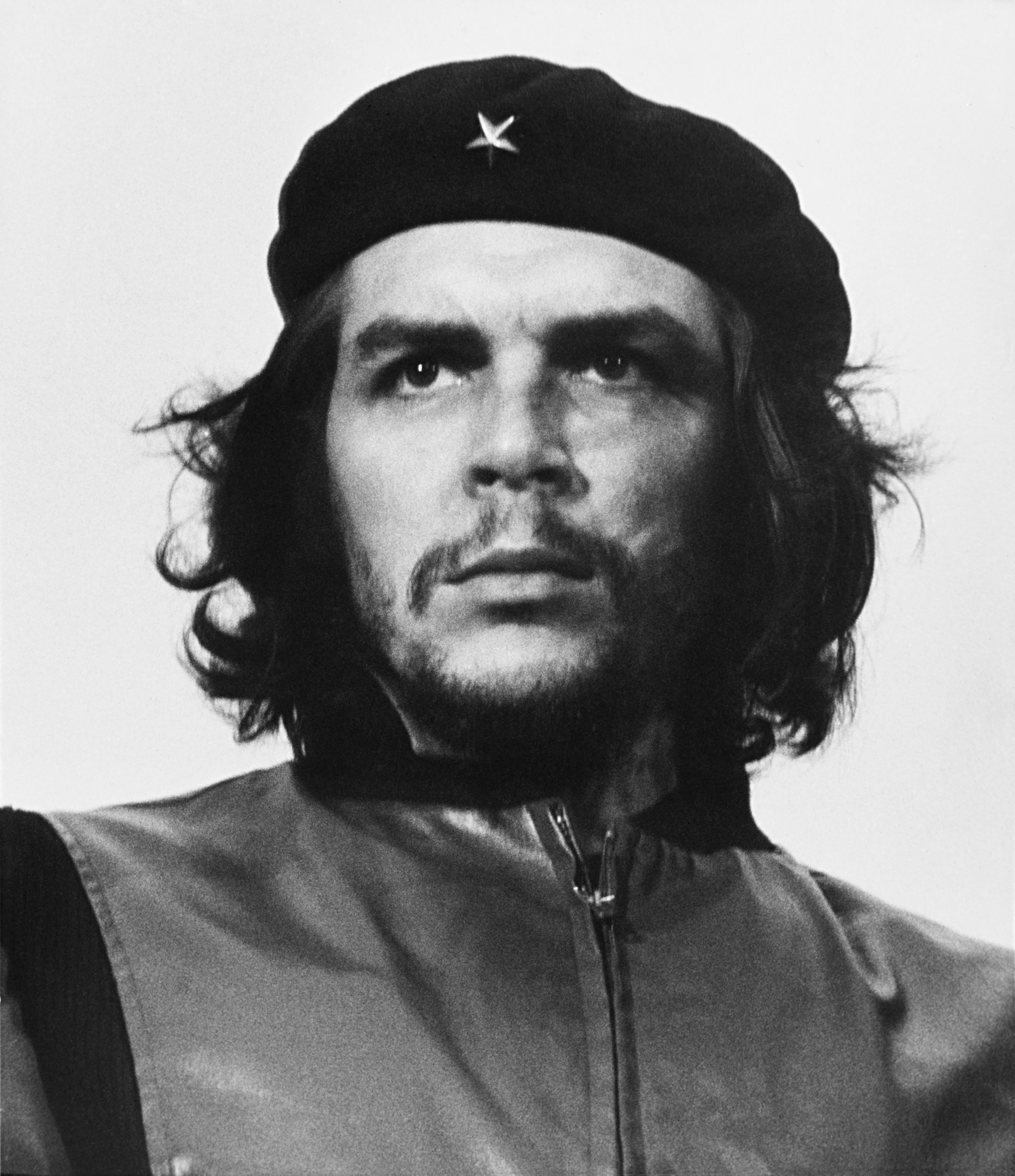
Che Guevara
Methodology
Guevara fused Marxist-Leninist analysis with existential commitment to praxis. He grounded theory in direct revolutionary experience—guerrilla warfare as laboratory for social transformation. His method: dialectical materialism applied through militant action, refusing armchair theorizing. He prioritized subjective factors (will, consciousness, moral incentives) over mechanical economic determinism, insisting that the New Man must be forged simultaneously with new material conditions. Revolutionary violence was both analytical tool and ethical imperative—necessary surgery on the social body. He synthesized Cuban insurrection lessons into universal guerrilla doctrine while maintaining that authentic revolution required total rupture with capitalist logic, half-measures being counterrevolutionary.
Sample argument
The true revolutionary is guided by great feelings of love—love for humanity, for justice, for truth. But this love transforms into terrible resolve when confronting imperialism. We cannot be indifferent to injustice wherever it occurs; to be authentically revolutionary is to feel every indignity against any person in any corner of the world as a personal affront. The guerrilla must be ascetic yet passionate, disciplined yet creative, merging individual sacrifice with collective liberation. Economic incentives alone will never build socialism—we must construct the New Man through conscious will and moral commitment, or we merely reproduce capitalist psychology under different property relations. Revolution is not an apple that falls when ripe; one must make it fall.
Cognitive style
Themes
Traits
Topics
- Economics — Rejected market mechanisms and material incentives even in socialist transition. Championed centralized planning with moral rather than wage-based motivation. Profit motive corrupts socialist construction—must transform consciousness simultaneously with property relations.
- War — Guerrilla warfare as legitimate tool of anti-imperialist liberation. Foco theory: small vanguard can catalyze revolution through armed struggle. Revolutionary violence distinct from oppressive violence—creative destruction clearing ground for just society.
- Ethics — Revolutionary ethics grounded in love for humanity transformed into militant commitment. Moral purity essential—revolutionary must be incorruptible, ascetic, selfless. Violence justified as response to structural violence and tool of liberation. Individual morality inseparable from revolutionary praxis.
- Governance — Advocated revolutionary vanguard party leading socialist transformation. Democratic centralism essential but leadership must prove itself through sacrifice and example, not bureaucratic position. Deeply critical of Soviet bureaucratization while defending one-party rule.
- The Self — Human consciousness is historically produced and transformable through revolutionary practice. The New Man—selfless, collectivist, incorruptible—emerges through struggle. Individual fulfillment achieved through collective liberation, not personal advancement.
Image: Alberto Korda, restored by Adam Cuerden (Public domain) · Source