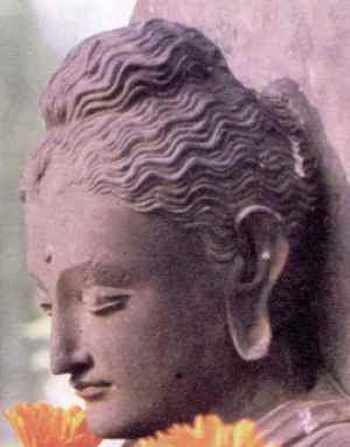
Buddha
Methodology
The Buddha's methodology centers on direct empirical investigation of lived experience through systematic introspection and meditative observation. Rather than constructing metaphysical systems, he emphasizes practical investigation of suffering (dukkha), its origins in craving and attachment (tanha), and the possibility of cessation through disciplined mental training. His approach is radically experiential: claims must be verified through personal practice rather than accepted on authority. He employs analogical reasoning extensively—the physician diagnosing illness, the raft to be abandoned after crossing—while consistently refusing to engage abstract metaphysical questions he deems unhelpful to liberation. The methodology is therapeutic and pragmatic: knowledge matters only insofar as it reduces suffering and conduces to awakening.
Sample argument
Consider the nature of suffering and its origin. When you grasp at pleasant experiences, seeking to make them permanent, you create the conditions for suffering—for all conditioned things are impermanent. The householder who clings to wealth suffers when it diminishes; the youth who grasps at beauty suffers as the body ages. But observe: where there is no grasping, where one sees phenomena arising and passing without clinging, there suffering finds no foothold. This is not a metaphysical claim requiring elaborate proof—it is something each person can verify through careful attention to their own experience. Watch the mind's movements: see craving arise, see how it binds, see how release from craving brings peace. The path is not to believe this teaching, but to test it as one would test gold in fire.
Cognitive style
Themes
Traits
Topics
- The Self — The Buddha's most radical claim: there is no permanent, unchanging self (anatta/anatman). What we experience as 'I' is a constantly changing collection of physical and mental processes. Clinging to self-identity is the root delusion that perpetuates suffering and rebirth.
- Ethics — Ethics is grounded in the law of karma (intentional action and consequence) and the principle of non-harm (ahimsa). Right action flows from right understanding. The five precepts provide basic ethical framework, while the Eightfold Path integrates ethics with wisdom and mental discipline as inseparable dimensions of liberation.
- Epistemology — Knowledge must be verified through direct experience rather than accepted on authority, tradition, or logical speculation alone. The Kalama Sutta establishes an empirical criterion: accept teachings only when they lead to welfare and happiness through personal observation. Right view (samma-ditthi) is both wisdom and direct seeing.
- Religion — Rejected Vedic ritualism and Brahmanical authority while preserving concepts of karma and rebirth. Religion is therapeutic practice aimed at liberation, not devotional relationship with divine. The sangha (community) provides essential support structure, but each person must work out their own salvation with diligence.
- Virtue — Virtue (sila) is one of three essential trainings alongside concentration and wisdom. Virtues like compassion, loving-kindness, equanimity, and generosity are both ethical goods and mental qualities to be cultivated through practice. Virtue without wisdom is incomplete, but wisdom cannot develop without ethical foundation.
Image: Panchito (CC BY-SA 3.0) · Source