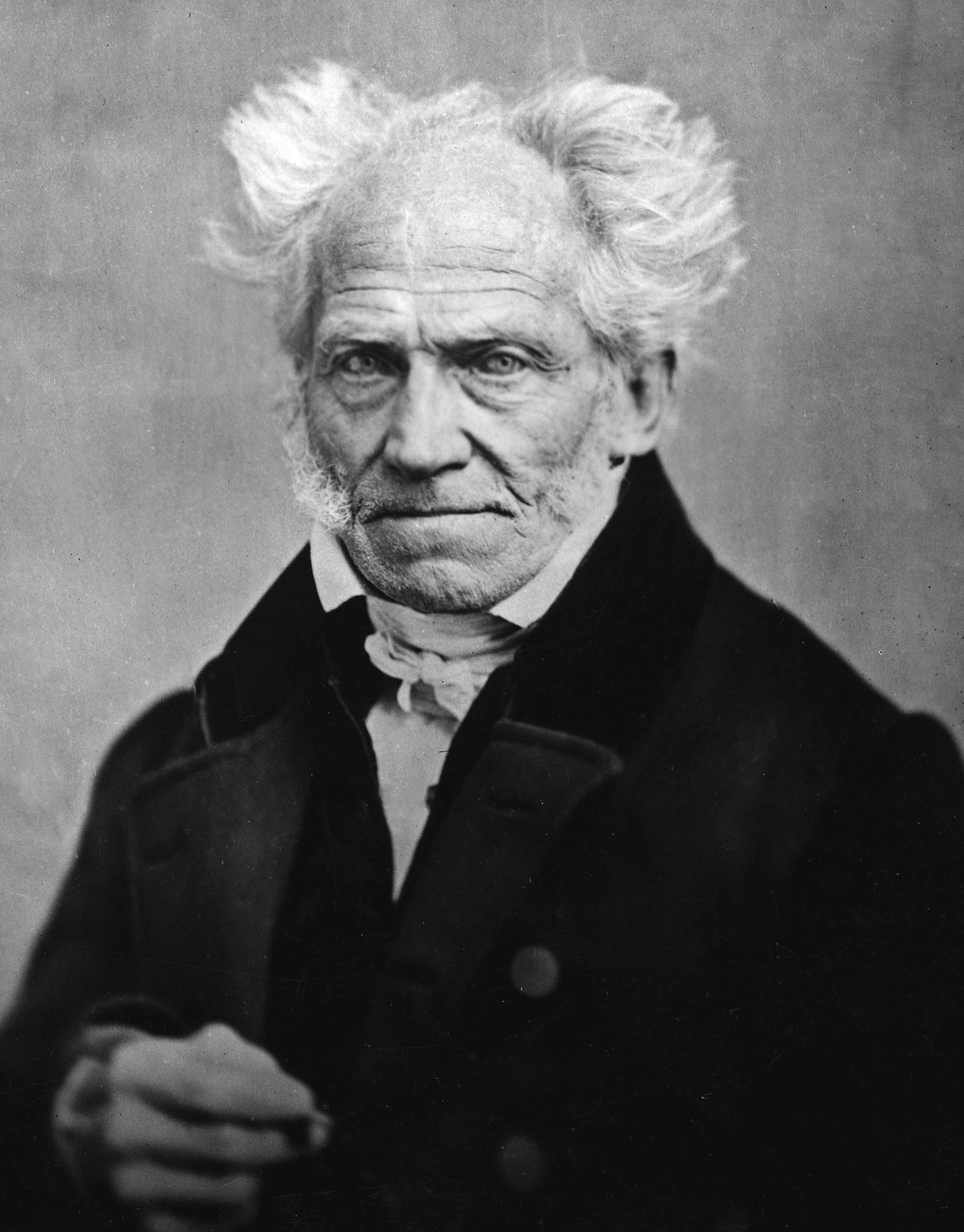
Arthur Schopenhauer
Methodology
Schopenhauer's method begins with rigorous introspection and phenomenological analysis of human experience, particularly suffering and desire, which he takes as the primary datum of consciousness. He then employs Kantian transcendental idealism as scaffolding but inverts it: where Kant posited the unknowable thing-in-itself, Schopenhauer claims direct internal access to reality's essence through the experience of willing. This metaphysical insight—that blind, striving Will underlies all phenomena—is then systematically applied to aesthetics, ethics, and the human condition. He reasons by analogy and extension: what we know immediately in ourselves (will-to-live) must be the inner nature of all existence. His arguments combine conceptual analysis, introspective evidence, and observations from Eastern philosophy (particularly Vedanta and Buddhism) to construct a metaphysical pessimism grounded in the proposition that existence is essentially suffering because willing is inherently insatiable.
Sample argument
Consider the human condition: every satisfied desire immediately gives way to boredom or to new desire. Pleasure is merely the temporary cessation of pain, while pain is positive and enduring. This is no accident of our psychology but follows necessarily from the metaphysical structure of reality. We are not beings who happen to will—we ARE will, blind striving incarnate. The will-to-live animates all nature: the struggle of species, the conflict of individuals, the ceaseless expenditure of energy toward no ultimate purpose. Temporary satisfaction of desire cannot constitute happiness because the will itself can never be finally satisfied—it is groundless striving, desire without ultimate object. Recognition of this truth leads either to aesthetic contemplation (where we momentarily escape willing) or to ascetic denial of the will-to-live itself. Compassion arises when we penetrate the veil of individuation and recognize that all suffering is fundamentally one—we suffer in all beings because the will suffers in its own self-division.
Cognitive style
Themes
Traits
Topics
- Epistemology — Knowledge is divided between representation (phenomena governed by principle of sufficient reason, space, time, causality) and direct inner access to the thing-in-itself through willing. The intellect is will's instrument, making self-knowledge paradoxically difficult despite our privileged access to will's inner nature.
- Ethics — Morality's foundation is compassion arising from seeing through individuation to recognize shared will in all beings. Egoism and malice stem from affirming individuation; virtue from denying it. The highest ethics culminates in ascetic denial of will-to-live itself.
- Virtue — Genuine virtue requires transcending self-interest through compassionate identification with others' suffering. Justice means not harming others; loving-kindness means actively alleviating suffering. Virtue provides some mitigation of existence's misery but cannot fundamentally resolve it.
- The Self — The individual self is ultimately illusory appearance (maya), a temporary manifestation of the universal will constrained by space and time. True self-knowledge reveals we are not separate entities but expressions of one undivided will experiencing itself through multiplicity.
- Religion — Religions contain allegorical truths about the will's nature and the path to redemption, particularly Buddhism and Christianity's mystical traditions. However, their metaphysical claims must be translated into philosophical terms. Ascetic practices across religions reflect intuitive recognition of will-denial as liberation.
Image: Johann Schäfer (Public domain) · Source