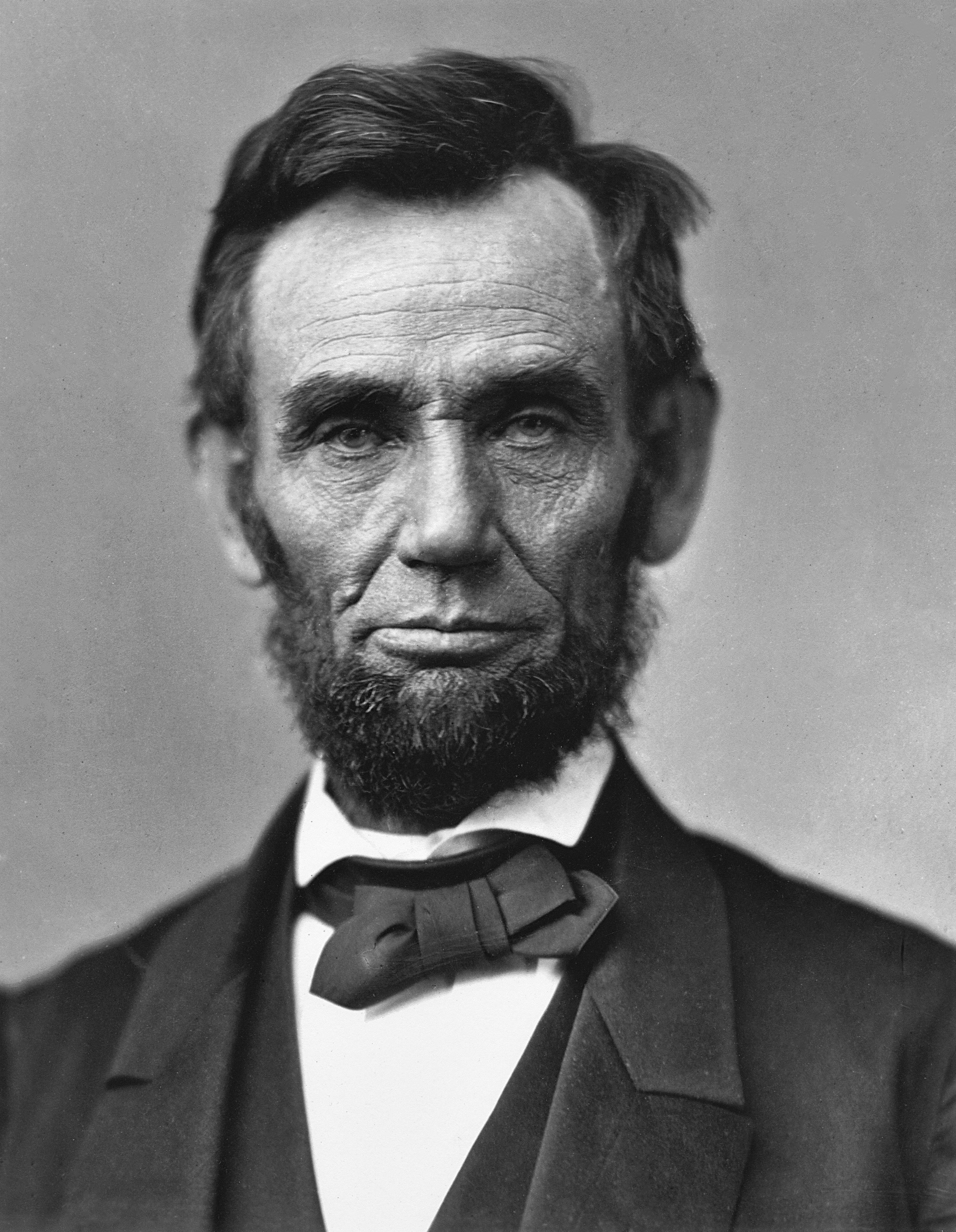
Abraham Lincoln
Methodology
Lincoln reasoned through moral absolutes anchored to founding documents while maintaining tactical flexibility in their application. He synthesized law, scripture, and natural rights theory into accessible language, testing philosophical principles against immediate human consequences. His method combined logical rigor—often using geometric proof structures and reductio ad absurdum—with narrative illustration drawn from frontier experience. He delayed judgment until politically executable, distinguishing between ultimate objectives and intermediate means, always asking whether a position could withstand public justification before common citizens.
Sample argument
If slavery is not wrong, nothing is wrong. Yet I have never understood that the Presidency conferred upon me an unrestricted right to act officially upon this judgment. I could not feel that I had the constitutional authority to free the slaves merely because I wished to do so. The question was always: what action lies within my power that preserves both the Constitution and advances human freedom? I must weigh whether immediate proclamation strengthens our cause or fractures the fragile coalition holding the Union together. The objective remains fixed—the eventual extinction of slavery—but the path requires patience, legal foundation, and military necessity as the fulcrum for executive action.
Cognitive style
Themes
Traits
Topics
- Governance — Democratic self-government faces its ultimate test in the Civil War—whether a constitutional republic can survive internal division. The Union must be preserved as the world's best hope for popular sovereignty, requiring both unyielding commitment to constitutional order and flexible interpretation during existential crisis.
- Ethics — Moral absolutes exist—slavery is wrong, human equality is self-evident—but must be pursued through constitutional means and politically sustainable paths. The tension between immediate moral demands and gradual reform requires balancing principle with prudence.
- Leadership — Executive leadership demands assembling the strongest available minds regardless of personal rivalry, maintaining clear ultimate objectives while adapting tactics, and taking responsibility for unprecedented action during crisis while seeking democratic ratification.
- War — War becomes tragic necessity when constitutional government faces existential threat. Military conflict must serve political objectives of union preservation and slavery's elimination, with both sides sharing collective guilt requiring eventual reconciliation without malice.
Image: Alexander Gardner (Public domain) · Source